Finding what you cannot see
Emergency Leak Detection in Apache Junction, AZ
Water bills climb quietly in this city. Meter isolation, pressure testing and acoustic locating turn a suspicion into a marked spot on the ground.
Emergency line answered 24 hours. Detection work is usually scheduled, and it is worth doing before it becomes an emergency.
Most hidden leaks in Apache Junction are found by arithmetic before they are found by equipment. A bill that rose by a third with no change in habits, a meter that never fully stops, or a damp patch of gravel in a yard where nothing is planted. Those are the three that start the majority of these calls.
The reason detection matters more here than in wetter places is that evidence disappears. A leak that would leave a swamp in a humid climate leaves nothing on the surface in a desert yard, because the ground takes it and the heat removes what reaches the top. Water can run for months with no visible sign at all.
The job is a process of elimination, not a guess. Isolate the house from the yard, isolate hot from cold, then narrow to the line and to the spot.
Need this looked at today?
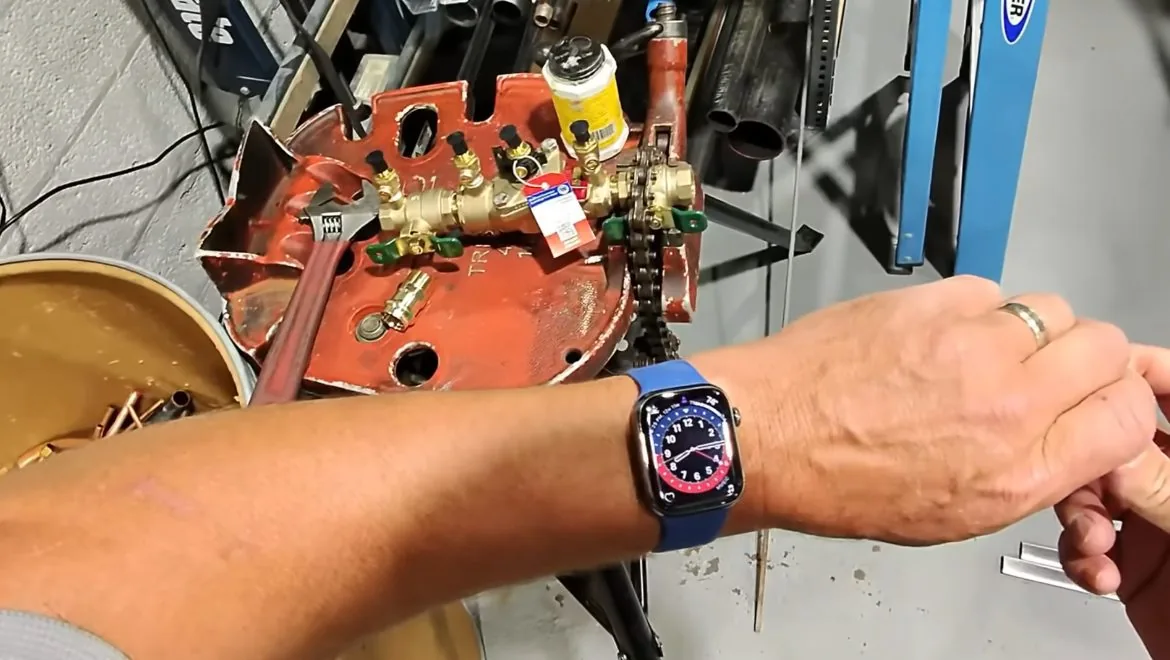
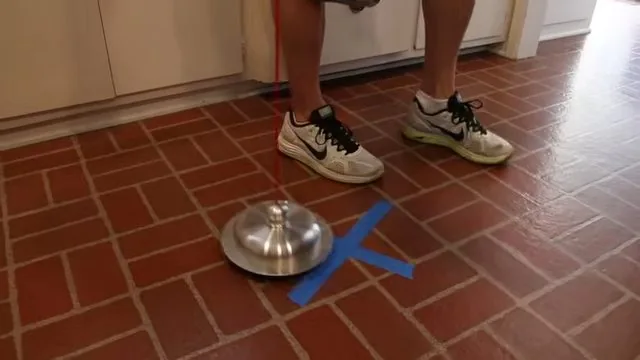
Start with the meter, because it is free
Before any equipment comes out, the meter tells us whether there is a loss at all and roughly how large it is. Both the Apache Junction Water District and Arizona Water Company meters have a low flow indicator that responds to very small movement.
The ten minute meter test
- Turn off every fixture and appliance that uses water, including ice makers and any evaporative cooler.
- Turn the irrigation controller to off, not to a delay setting.
- Find the meter box, usually near the street side of the property, and lift the lid carefully since Arizona meter boxes are common shelter for scorpions and snakes.
- Watch the low flow indicator for two minutes. Any movement means water is leaving the system.
- Close the shutoff valve at the house and watch again. Still moving means the loss is between the meter and the house.
- Note the meter reading, wait an hour with everything off, and read it again for a rough volume.
That test alone routinely separates an irrigation problem from a house problem, and it is the single most useful thing a homeowner can do before calling anyone.
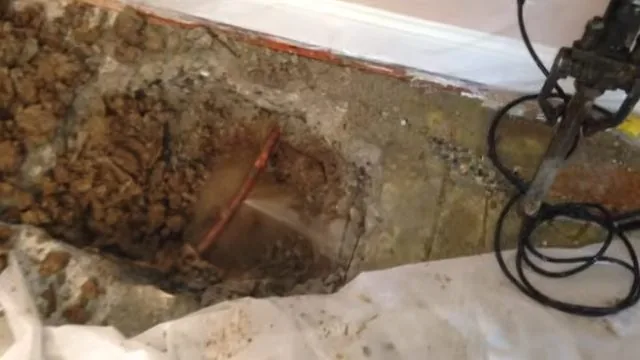
Irrigation and pool lines account for a surprising share
In this climate the highest volume losses often are not inside the house at all. Drip systems, valve boxes and pool plumbing sit in hot sun and shifting soil, and they fail in ways that never show up indoors.
Drip and valve failures
A cracked lateral under gravel can run for weeks. The giveaway is usually one zone that stays greener or one area of gravel that stays dark after sunrise.
Pool line leaks
A pool losing more than evaporation accounts for during summer is worth testing. Return and suction lines run under decking and leak invisibly.
Hose bibs and backflow devices
Sun destroys the rubber inside vacuum breakers, and a bib that weeps only under pressure is easy to miss.
Service line between meter and house
Older polyethylene and galvanized service lines in the ground for decades fail at the connection first, and that water surfaces nowhere.
Splitting these out early avoids the worst outcome in this trade, which is opening a floor to chase a leak that was in the yard the whole time.
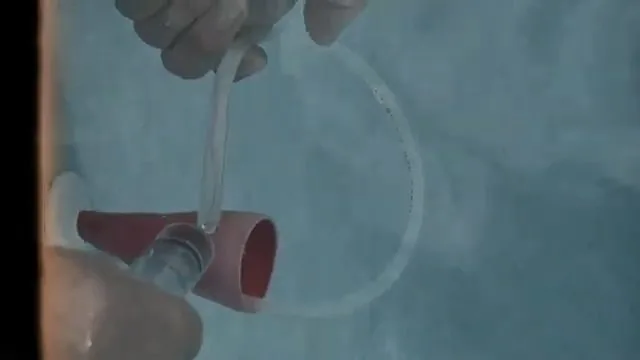
Equipment, and what each piece is actually good at
No single tool finds every leak. The order they are used in is what makes the difference.
| Method | Best for | Limits |
|---|---|---|
| Meter isolation. | Proving a loss exists and sizing it. | Tells you there is a leak, not where. |
| Pressure testing by zone. | Narrowing to hot, cold, irrigation or service line. | Requires accessible isolation points. |
| Acoustic listening. | Pinpointing pressurised leaks under slab or soil. | Traffic, pumps and wind interfere. |
| Thermal imaging. | Hot water lines under tile and behind walls. | Only useful on a temperature difference. |
| Tracer gas. | Small losses and non pressurised lines. | Slower, and needs the line drained. |
| Camera inspection. | Drain and sewer side faults. | Not used for pressurised supply leaks. |
Drain side problems are a different investigation entirely. If the water only appears when a fixture runs, the answer is usually a sewer camera inspection rather than acoustic work on pressurised lines.

Meter still moving with everything shut off? Call (480) 806-2944.
What a rising bill actually costs while you wait
A leak the size of a pinhole is easy to postpone because it does not feel like an emergency. The arithmetic is what usually changes the decision.
Small leak, long clock
A drip that fills a bucket over a day is a few hundred gallons a month. A pinhole under pressure in a hot line can be many times that, and it runs day and night whether the house is occupied or not.
In a slab home the second cost is worse than the water. Moisture under and around the slab softens supporting soil and finds its way into flooring, and by then the repair has grown a restoration bill attached to it.
The practical rule for local homes is simple. If the meter moves with everything off, book the locate now rather than after the next bill confirms what the meter already told you.
There is also a plain water conservation argument in a city drawing entirely on groundwater. A leak repaired in September is water that stays in the aquifer instead of disappearing into caliche.
Detection questions from homeowners with a suspicious bill
How much does the water bill rise before a leak is worth chasing?
Any sustained rise you cannot explain by season, guests or a new appliance is worth ten minutes at the meter. Winter visitors arriving is a real explanation, a bill that stays high after they leave is not.
The test costs nothing and it either rules out a leak or gives you a reason to call.
Can you find a leak without digging or cutting?
Locating itself is non destructive. Acoustic equipment, pressure isolation and thermal imaging all work through concrete, tile and soil.
Accessing the leak afterwards may require an opening, and the point of a careful locate is to make that opening as small and as correctly placed as possible.
My water pressure dropped. Is that a leak?
Sometimes, but in this area a pressure drop is at least as often a failing pressure regulator or a fixture throttled by mineral scale.
If pressure fell across the whole house at once, start with the regulator. If it fell at one fixture, the aerator or cartridge is the likelier cause and that is straightforward faucet repair work.
Do you detect gas leaks as well?
Gas work is handled separately. If you smell gas, leave the building and call the gas utility or 911 first, then call us about the repair. That work is covered on the gas line page.
Is it worth testing before I buy a house here?
Yes, and it is inexpensive relative to what it prevents. A meter isolation test plus a pressure check on an older slab home tells you whether you are buying a plumbing problem, and it takes less time than a standard home inspection walkthrough.
Local code, licensing and how this page is maintained
Leak Detection in Apache Junction falls under the 2018 International Plumbing Code. The City Council adopted that code as the Apache Junction Plumbing Code in 2019, along with local amendments to the fixture flow rate table. The city also enforces the 2018 IRC, IBC and IFGC and the 2017 NEC. Addresses outside the city limit, including Gold Canyon, are permitted and inspected through Pinal County instead.
Arizona plumbing contractors are licensed by the Registrar of Contractors. Plumbing falls under the C-37, R-37 and CR-37 classifications, and septic work under CR-41. Verify any contractor at roc.az.gov before work begins. The standards and guidelines summarised here are general, and the building department for your address is the authority on what applies to your job.
Written and reviewed by the Plumbing Guys Apache Junction team. Last updated 2026-09-06.
Stop guessing where the water is going
Tell us what the meter did and what the bill looks like, and we will tell you which test comes first. Most detection visits end with a marked location and a clear repair choice.